TL;DR
- Sleep regressions are temporary disruptions caused by developmental changes.
- Most regressions last 1 to 4 weeks if handled consistently.
- You can sleep train during or after a regression.
- Maintain your normal routine during regressions. Do not create new sleep associations.
What Causes This Regression
A sleep regression is a period when a child who was sleeping well suddenly starts waking more, fighting sleep, or taking shorter naps. It is usually caused by developmental changes happening in the brain and body.
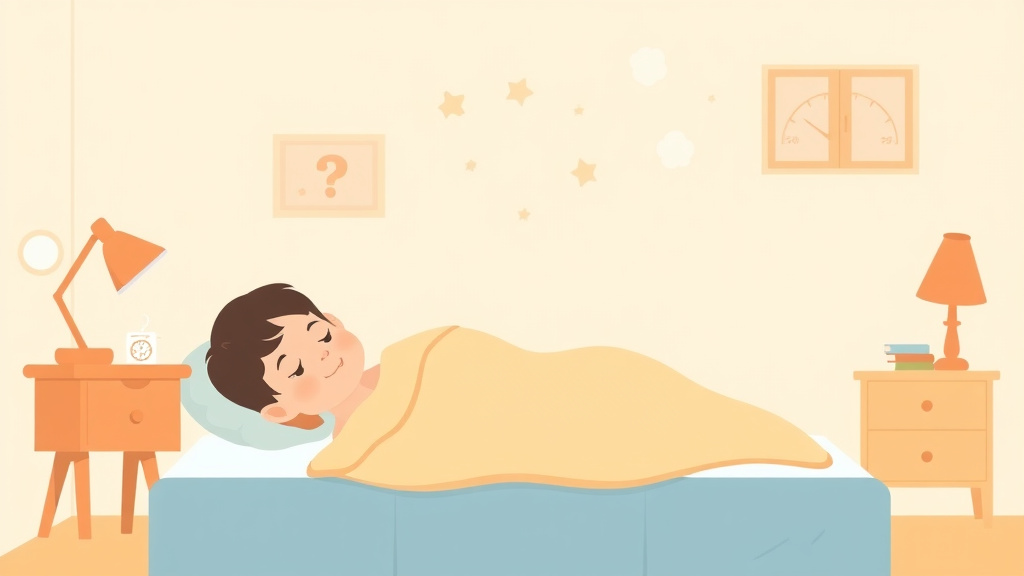
The 4 month regression stands apart from all others because it involves a permanent change in sleep architecture. Before 4 months, babies have only two sleep stages. After, they develop the same four-stage sleep cycle as adults, leading to more partial awakenings between cycles.
Not every bad stretch of sleep is a regression. Illness, teething, travel, schedule issues, and environmental problems can all mimic regression symptoms. Before assuming it is a regression, rule out these other causes.
If you have tried everything and nothing seems to work, take a step back and look at the basics. Is the room dark enough? Is the temperature comfortable (between 68 and 72 degrees Fahrenheit)? Is there consistent white noise? These environmental factors are easy to overlook but make a real difference.
Signs You Are in a Regression
The most important thing during a regression is to not create new sleep associations. If your child was falling asleep independently before, do not start rocking or nursing them to sleep just because they are going through a tough patch.
| Age | Total Sleep | Night Sleep | Day Sleep | Naps |
|---|---|---|---|---|
| Newborn | 14-17h | 8-9h | 6-8h | 4-5 |
| 3 months | 14-16h | 9-10h | 4-5h | 3-4 |
| 6 months | 12-15h | 10-11h | 2.5-3.5h | 2-3 |
| 9 months | 12-15h | 10-12h | 2-3h | 2 |
| 12 months | 11-14h | 10-12h | 1.5-3h | 1-2 |
| 18 months | 11-14h | 10-12h | 1.5-3h | 1 |
| 2 years | 11-14h | 10-12h | 1-2h | 1 |
| 3 years | 10-13h | 10-12h | 0-1h | 0-1 |
Regressions are often a sign that your child's schedule needs updating. A child who has been on the same schedule for months may have outgrown it. Longer wake windows or a nap transition may be needed.
Most regressions last 1 to 4 weeks. The 4 month regression may take longer because the underlying change is permanent. The key is that while the sleep architecture changes, your child can still learn to sleep well within the new system.
Extra feeds during a regression are fine if your child seems genuinely hungry (growth spurt often coincides with regression). Just try to keep the feed as a feed, not a sleep association.
Sleep is not just about nighttime. What happens during the day, from feeding patterns to activity levels to light exposure, directly affects how well your child sleeps at night. A well-structured day sets the stage for a smooth night.
There is no perfect age to address sleep. Whether your child is 4 months or 4 years, the principles of good sleep hygiene apply. Start where you are, with what you have, and make changes gradually.
How Long It Lasts
Toddler regressions (18 months, 2 years) are heavily influenced by behavioral factors. Your toddler is testing boundaries, asserting independence, and may be dealing with separation anxiety, all of which show up at bedtime.
BedtimeCoach's plan includes regression explainers relevant to your child's age, so you can keep your approach consistent without creating new habits you will have to break later.
After a regression ends, most children return to their previous sleep patterns within a few days, as long as parents did not introduce new associations during the disruption. If new habits formed, gentle correction is usually quick.
Your pediatrician is your first resource for health-related sleep concerns. If your child snores, breathes through their mouth, seems excessively sleepy during the day, or has other symptoms beyond normal sleep struggles, get a medical evaluation before making changes to the sleep plan.
It helps to remember that sleep is a skill, not a trait. Just like learning to walk or talk, learning to sleep independently takes time and practice. Some children pick it up quickly. Others need more support. Neither timeline is wrong.
What to Do (and Not Do)
If you are reading this at 2am with a baby who will not sleep, know that you are not alone. Millions of parents are going through exactly the same thing right now. It gets better, especially when you have a plan.
The goal is not to eliminate all night wakings or create a robot baby who sleeps on command. The goal is to give your child the skills and environment they need to sleep well, most of the time, so the whole family can function.
Protecting Good Sleep Habits
Partner support matters more than most people realize. When both parents are on the same page about the sleep approach, consistency improves and the emotional load is shared. If you and your partner disagree, discuss it during the day, not at 3am when everyone is exhausted.
Social media can be both helpful and harmful when it comes to baby sleep. Comparison is inevitable, but every child is different. A method that worked for one family may not suit yours. Focus on your child's specific needs rather than chasing what worked for a stranger online.
When to Seek Help
One thing that surprises many parents is how much consistency matters. It is not about being rigid or inflexible. It is about giving your child the same cues, at roughly the same times, so their body and brain can predict what comes next. When sleep becomes predictable, it becomes easier.
Related Reading
Frequently Asked Questions
How do I know if it is a regression or something else?
A true regression is age-appropriate, lasts 1 to 4 weeks, and coincides with developmental changes. If sleep has been declining for more than 4 weeks, it is more likely a schedule or habit issue.
How long does a sleep regression last?
Most regressions last 1 to 4 weeks. The 4 month regression may take longer because it involves a permanent change in sleep architecture. The key is maintaining consistency.
Can I prevent sleep regressions?
You cannot prevent the developmental changes that cause regressions. But a child with strong independent sleep skills will typically have milder regressions and recover faster.
Try our free tools
Get Your Personalized Sleep Plan
BedtimeCoach builds your Personalized Pediatric Sleep Plan around your child's age band, current struggles, and your chosen method, with a safe-sleep checklist and a printable 2-week sleep log.
The plan is $19 one-time. The optional Sleep Support membership is $4.99/mo, monthly only, cancel anytime.