TL;DR
- BedtimeCoach's plan is built around your child's current age and stage.
- Every child is different, but most fall within established sleep ranges.
- Sleep needs change rapidly in the first year, then stabilize around age 2.
- Developmental milestones temporarily disrupt sleep at predictable ages.
- Safe sleep practices (back sleeping, firm mattress, clear crib) apply through age 1.
Sleep Needs at This Age
Sleep at this age is shaped by biological development, not willpower. Your child's brain and body are maturing at their own pace, and sleep patterns reflect that growth.
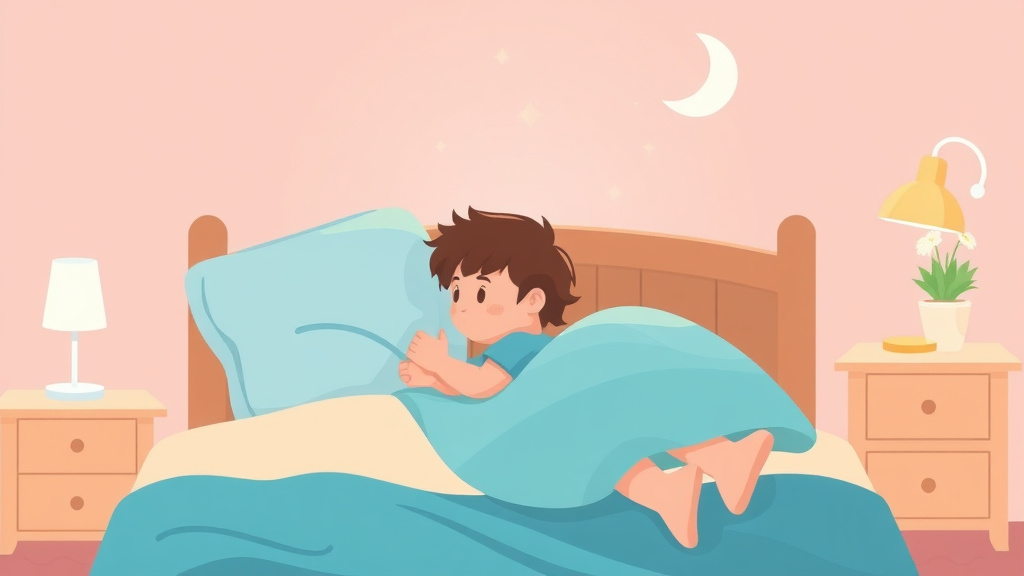
Every child is unique, but most fall within well-established ranges for total sleep, nap needs, and wake windows. Use these as guidelines, not rigid rules. Adjust based on how your child actually behaves.
Developmental milestones (rolling, crawling, pulling to stand, walking, talking) temporarily disrupt sleep. Your child's brain is processing new skills, and that processing often happens during sleep, leading to more wakings.
Social media can be both helpful and harmful when it comes to baby sleep. Comparison is inevitable, but every child is different. A method that worked for one family may not suit yours. Focus on your child's specific needs rather than chasing what worked for a stranger online.
Keeping a simple sleep log for a few days can reveal patterns you would otherwise miss. Note bedtime, wake time, nap times, night wakings, and how your child seemed (happy, fussy, overtired). Three to five days of data is usually enough to spot the issue.
Typical Schedule and Wake Windows
Safe sleep guidelines from the AAP recommend back sleeping on a firm, flat surface with no loose bedding, pillows, or toys for babies under 12 months. Once your child can roll both ways, you do not need to keep flipping them back.
| Age | Total Sleep | Night Sleep | Day Sleep | Naps |
|---|---|---|---|---|
| Newborn | 14-17h | 8-9h | 6-8h | 4-5 |
| 3 months | 14-16h | 9-10h | 4-5h | 3-4 |
| 6 months | 12-15h | 10-11h | 2.5-3.5h | 2-3 |
| 9 months | 12-15h | 10-12h | 2-3h | 2 |
| 12 months | 11-14h | 10-12h | 1.5-3h | 1-2 |
| 18 months | 11-14h | 10-12h | 1.5-3h | 1 |
| 2 years | 11-14h | 10-12h | 1-2h | 1 |
| 3 years | 10-13h | 10-12h | 0-1h | 0-1 |
Daytime nutrition supports nighttime sleep. Babies who take in more calories during the day need less at night. Focus on full feeds during the day to support longer stretches at night.
The circadian rhythm (internal body clock) develops between 3 and 4 months. Before this, babies do not have a predictable day/night pattern. After it develops, you can begin shaping sleep with schedule and routine.
Separation anxiety peaks around 8 to 10 months and again at 18 months. These periods often coincide with sleep regressions. Extra reassurance during the day helps, but avoid creating new sleep associations at night.
Growth spurts cause temporary increases in appetite and may lead to extra night feeds. These typically last 2 to 3 days. Do not overhaul your schedule based on a 2 day spike in hunger.
If you have tried everything and nothing seems to work, take a step back and look at the basics. Is the room dark enough? Is the temperature comfortable (between 68 and 72 degrees Fahrenheit)? Is there consistent white noise? These environmental factors are easy to overlook but make a real difference.
Many parents feel pressure to get sleep 'right' from the start. The truth is that baby sleep is a moving target. What works at 3 months may not work at 6 months, and what works at 6 months will definitely not work at 18 months. Adapting is part of the process.
Common Sleep Challenges
BedtimeCoach's plan is built for your child's current age and stage.
Trust your instincts alongside the data. If something feels off (your child seems uncomfortable, unusually fussy, or not themselves), check with your pediatrician before attributing it to a sleep issue.
Sleep is not just about nighttime. What happens during the day, from feeding patterns to activity levels to light exposure, directly affects how well your child sleeps at night. A well-structured day sets the stage for a smooth night.
There is no perfect age to address sleep. Whether your child is 4 months or 4 years, the principles of good sleep hygiene apply. Start where you are, with what you have, and make changes gradually.
Developmental Changes That Affect Sleep
Your pediatrician is your first resource for health-related sleep concerns. If your child snores, breathes through their mouth, seems excessively sleepy during the day, or has other symptoms beyond normal sleep struggles, get a medical evaluation before making changes to the sleep plan.
Sleep Training Readiness
If you are reading this at 2am with a baby who will not sleep, know that you are not alone. Millions of parents are going through exactly the same thing right now. It gets better, especially when you have a plan.
The goal is not to eliminate all night wakings or create a robot baby who sleeps on command. The goal is to give your child the skills and environment they need to sleep well, most of the time, so the whole family can function.
Related Reading
- Average Age Baby Sleeps Through
- 6 Month Old Sleep Guide: Everything You Need to Know
- First Week Home Sleep Tips
Frequently Asked Questions
When will my baby sleep through the night?
Most babies are capable of sleeping 10 to 12 hours without a feed by 6 to 9 months, with the right schedule and independent sleep skills. Some do it as early as 4 months.
How much sleep does my child need?
Sleep needs vary by age. Newborns need 14 to 17 hours total. Infants need 12 to 15 hours. Toddlers need 11 to 14 hours. Preschoolers need 10 to 13 hours. These include both daytime and nighttime sleep.
When should I worry about my child's sleep?
Talk to your pediatrician if your child snores regularly, seems excessively sleepy during the day, has trouble breathing during sleep, or has not improved with consistent schedule and routine changes.
Try our free tools
Get Your Personalized Sleep Plan
BedtimeCoach builds your Personalized Pediatric Sleep Plan around your child's age band, current struggles, and your chosen method, with a safe-sleep checklist and a printable 2-week sleep log.
The plan is $19 one-time. The optional Sleep Support membership is $4.99/mo, monthly only, cancel anytime.