TL;DR
- Consistency before and after the event matters more than perfection during it.
- BedtimeCoach's Sleep Support membership sends daylight-saving prep emails timed to both time changes each year.
- Plan ahead when you can. Bring familiar sleep items and stick to familiar routines.
How This Affects Sleep
Life does not stop for sleep schedules. Travel, illness, holidays, new siblings, and other changes are inevitable. The good news is that well-rested children with established sleep skills bounce back quickly.
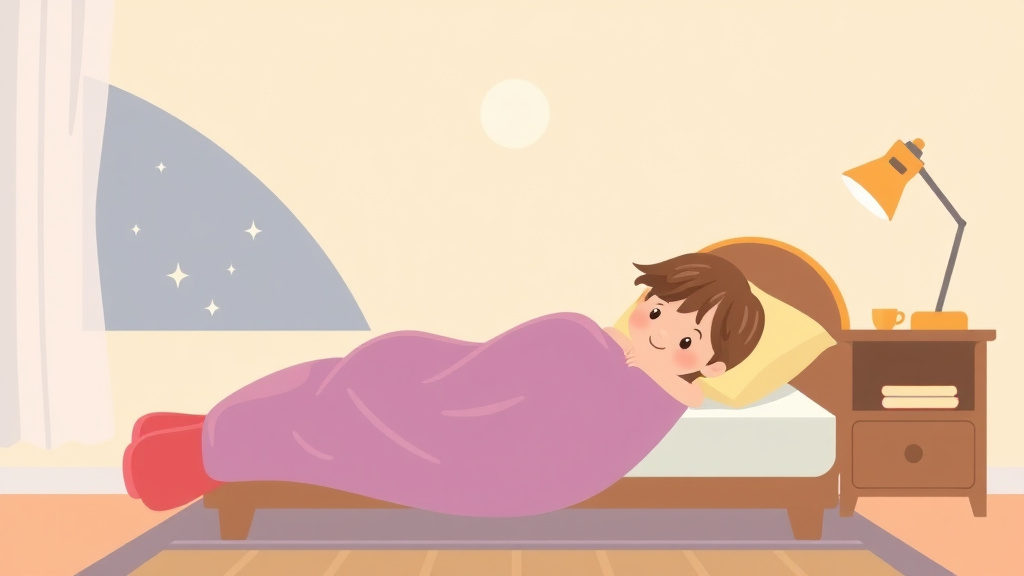
Preparation makes a big difference. When you know a disruption is coming (travel, time change, new baby), you can make small adjustments ahead of time to ease the transition.
During the disruption itself, do your best but do not stress about perfection. One bad night or one off-schedule nap will not undo weeks of good sleep habits. Consistency over time is what matters.
After the disruption, return to your normal routine immediately. Do not wait for the 'right moment.' The first night back in your child's regular sleep environment, run the full bedtime routine and follow your normal approach.
Children are more adaptable than parents expect. With familiar sleep cues (same sleep sack, same white noise, same routine), many kids sleep surprisingly well in new environments.
If you have tried everything and nothing seems to work, take a step back and look at the basics. Is the room dark enough? Is the temperature comfortable (between 68 and 72 degrees Fahrenheit)? Is there consistent white noise? These environmental factors are easy to overlook but make a real difference.
Preparing in Advance
| Age | Total Sleep | Night Sleep | Day Sleep | Naps |
|---|---|---|---|---|
| Newborn | 14-17h | 8-9h | 6-8h | 4-5 |
| 3 months | 14-16h | 9-10h | 4-5h | 3-4 |
| 6 months | 12-15h | 10-11h | 2.5-3.5h | 2-3 |
| 9 months | 12-15h | 10-12h | 2-3h | 2 |
| 12 months | 11-14h | 10-12h | 1.5-3h | 1-2 |
| 18 months | 11-14h | 10-12h | 1.5-3h | 1 |
| 2 years | 11-14h | 10-12h | 1-2h | 1 |
| 3 years | 10-13h | 10-12h | 0-1h | 0-1 |
For time zone changes, shift the schedule by 15 to 30 minutes per day in the direction of the new time zone. Most children fully adjust within 3 to 5 days.
Teething pain is real but temporary. Manage it with pediatrician-approved pain relief before bed. Do not overhaul your sleep approach for a problem that will pass in a few days.
When siblings share a room, stagger bedtimes by 15 to 20 minutes so the older child falls asleep first (or vice versa, depending on which child falls asleep faster).
Sleep is not just about nighttime. What happens during the day, from feeding patterns to activity levels to light exposure, directly affects how well your child sleeps at night. A well-structured day sets the stage for a smooth night.
Step-by-Step Plan
BedtimeCoach adjusts your plan for special situations. Traveling? It modifies the schedule. Time change? It calculates the shift. New sibling? It accounts for the transition.
The goal during any disruption is damage control, not perfection. Maintain the core of your routine, respond consistently, and trust that your child's sleep skills will carry them through.
Your pediatrician is your first resource for health-related sleep concerns. If your child snores, breathes through their mouth, seems excessively sleepy during the day, or has other symptoms beyond normal sleep struggles, get a medical evaluation before making changes to the sleep plan.
It helps to remember that sleep is a skill, not a trait. Just like learning to walk or talk, learning to sleep independently takes time and practice. Some children pick it up quickly. Others need more support. Neither timeline is wrong.
What to Do During the Disruption
If you are reading this at 2am with a baby who will not sleep, know that you are not alone. Millions of parents are going through exactly the same thing right now. It gets better, especially when you have a plan.
Getting Back to Normal
Partner support matters more than most people realize. When both parents are on the same page about the sleep approach, consistency improves and the emotional load is shared. If you and your partner disagree, discuss it during the day, not at 3am when everyone is exhausted.
Social media can be both helpful and harmful when it comes to baby sleep. Comparison is inevitable, but every child is different. A method that worked for one family may not suit yours. Focus on your child's specific needs rather than chasing what worked for a stranger online.
Related Reading
Frequently Asked Questions
How do I keep my baby's sleep on track while traveling?
Bring familiar sleep items (sleep sack, white noise machine, a book from your routine). Try to maintain similar nap and bedtime timing. Return to your normal routine the first night home.
How long does it take to adjust to a time zone change?
Most children adjust within 3 to 5 days when you shift the schedule by 15 to 30 minutes per day. Some adapt faster. Light exposure at the right times helps.
Will one bad night undo all our progress?
No. Sleep skills are learned skills. One off night (or even a week of disrupted sleep) will not erase what your child knows. Return to your normal approach and they will bounce back.
Try our free tools
Get Your Personalized Sleep Plan
BedtimeCoach builds your Personalized Pediatric Sleep Plan around your child's age band, current struggles, and your chosen method, with a safe-sleep checklist and a printable 2-week sleep log.
The plan is $19 one-time. The optional Sleep Support membership is $4.99/mo, monthly only, cancel anytime.