TL;DR
- Expect some protest. Even gentle methods involve adjustment.
- Most babies respond to sleep training within 3 to 7 nights when parents stay consistent.
- BedtimeCoach builds a personalized plan based on your child's age and temperament.
How This Method Works
When it comes to teaching your child to sleep independently, consistency matters more than which method you pick. The biggest predictor of success is following through with your chosen approach for at least 5 to 7 nights before making changes.
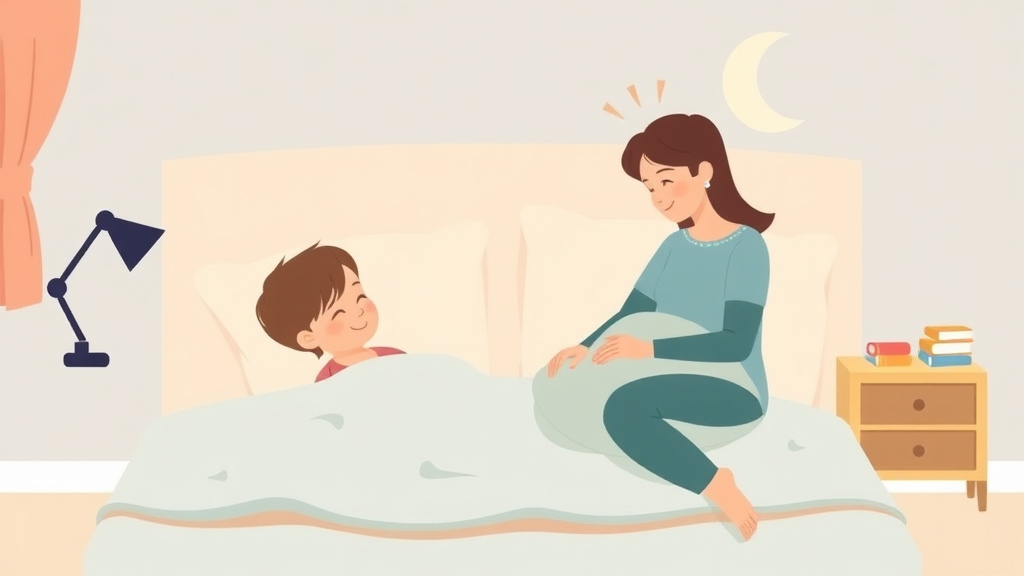
Every child responds differently to sleep training. Some babies adjust within two nights. Others need a full week or more. Temperament plays a major role, and that is why a one-size-fits-all approach rarely works perfectly.
Parents often worry about the emotional impact of sleep training. Multiple peer-reviewed studies, including a 2012 study published in Pediatrics, found no differences in cortisol levels, attachment security, or behavioral outcomes between sleep-trained and non-sleep-trained children at follow-up.
Before starting, make sure your child is on an age-appropriate schedule with the right wake windows. Sleep training on a bad schedule is like pushing a boulder uphill. Fix the schedule first, then introduce the method.
Your bedtime routine is the anchor. A strong, consistent routine (bath, books, song, goodnight) signals to your child's brain that sleep is coming. Without it, even the best sleep training method will struggle.
It helps to remember that sleep is a skill, not a trait. Just like learning to walk or talk, learning to sleep independently takes time and practice. Some children pick it up quickly. Others need more support. Neither timeline is wrong.
Is Your Child Ready?
| Method | Crying Level | Typical Timeline |
|---|---|---|
| Ferber (Graduated Extinction) | Low | 1-3 days |
| Full Extinction (CIO) | Low | 3-7 days |
| Chair Method | High | 5-14 days |
| Pick Up Put Down | High | 3-7 days |
| Fading | Very Low | 1-3 days |
| Gentle / No Cry | High | 7-21 days |
Night feeds do not have to stop when you start sleep training. Many families keep one or two feeds while teaching independent sleep at all other wakings. BedtimeCoach can build a plan that accounts for this.
If your child is sick, teething heavily, or going through a major transition (new sibling, starting daycare), it may be better to wait a week or two. Sleep training works best when there are no competing stressors.
The first three nights are usually the hardest. This is when most parents want to give up. But night three is often the turning point. By night four or five, most families see significant improvement.
The goal is not to eliminate all night wakings or create a robot baby who sleeps on command. The goal is to give your child the skills and environment they need to sleep well, most of the time, so the whole family can function.
Step-by-Step Plan
Nap training is a separate challenge from nighttime. Most experts recommend getting nights solid first, then tackling naps. Naps involve different sleep pressure and are naturally harder.
Partner alignment is essential. If one parent does check-ins differently or gives in at 3am, it sends mixed signals. Discuss your plan together before night one. BedtimeCoach gives both parents the same script.
Social media can be both helpful and harmful when it comes to baby sleep. Comparison is inevitable, but every child is different. A method that worked for one family may not suit yours. Focus on your child's specific needs rather than chasing what worked for a stranger online.
Keeping a simple sleep log for a few days can reveal patterns you would otherwise miss. Note bedtime, wake time, nap times, night wakings, and how your child seemed (happy, fussy, overtired). Three to five days of data is usually enough to spot the issue.
What to Expect Each Night
If you have tried everything and nothing seems to work, take a step back and look at the basics. Is the room dark enough? Is the temperature comfortable (between 68 and 72 degrees Fahrenheit)? Is there consistent white noise? These environmental factors are easy to overlook but make a real difference.
Many parents feel pressure to get sleep 'right' from the start. The truth is that baby sleep is a moving target. What works at 3 months may not work at 6 months, and what works at 6 months will definitely not work at 18 months. Adapting is part of the process.
Common Mistakes to Avoid
Sleep is not just about nighttime. What happens during the day, from feeding patterns to activity levels to light exposure, directly affects how well your child sleeps at night. A well-structured day sets the stage for a smooth night.
Related Reading
- Sleep Training In A Shared Room
- Ferber Vs Pick Up Put Down: Which Method Is Right for You?
- Sleep Training a 21 Month Old: What Works Best
Frequently Asked Questions
What if sleep training is not working?
If you have been consistent for 7 nights with no improvement, the issue may be schedule-related rather than method-related. Check wake windows, total daytime sleep, and bedtime timing before switching methods.
How long does sleep training take?
Most families see significant improvement within 3 to 7 nights. Gentle methods may take 2 to 4 weeks. Consistency is the biggest factor in timeline.
Will sleep training harm my baby?
No. Multiple long-term studies, including a 5-year follow-up published in Pediatrics, found no negative effects on child-parent attachment, child behavior, or emotional development in sleep-trained children.
Try our free tools
Get Your Personalized Sleep Plan
BedtimeCoach builds your Personalized Pediatric Sleep Plan around your child's age band, current struggles, and your chosen method, with a safe-sleep checklist and a printable 2-week sleep log.
The plan is $19 one-time. The optional Sleep Support membership is $4.99/mo, monthly only, cancel anytime.