TL;DR
- Contact naps are fine in the early months but harder to sustain long-term.
- Short naps (under 45 minutes) are normal for babies under 5 months.
- BedtimeCoach creates a nap plan tailored to your child's age and nap patterns.
- The crib is the best nap location for quality sleep, but any safe sleep space works.
- Nap training is harder than nighttime training. Be patient.
How Many Naps at This Age
Naps are one of the trickiest parts of baby sleep. Daytime sleep operates on different biological drives than nighttime sleep, which is why a child who sleeps great at night can be a terrible napper (and vice versa).
Short naps are developmentally normal for babies under 5 months. Their sleep cycles are about 30 to 45 minutes, and they have not yet learned to connect cycles. This usually improves naturally with age.
The morning nap is typically the first to lengthen and become predictable. It is driven by circadian rhythm. The afternoon nap is driven by homeostatic sleep pressure (how tired your child is).
Contact naps are wonderful for bonding, but they can become a habit that is hard to break. If you want crib naps, start working on at least one crib nap per day while allowing contact naps for the others.
A short pre-nap routine (5 to 10 minutes) helps signal that it is time to sleep. Close the curtains, put on white noise, read a short book, and lay your child down. Keep it simple and consistent.
Social media can be both helpful and harmful when it comes to baby sleep. Comparison is inevitable, but every child is different. A method that worked for one family may not suit yours. Focus on your child's specific needs rather than chasing what worked for a stranger online.
Keeping a simple sleep log for a few days can reveal patterns you would otherwise miss. Note bedtime, wake time, nap times, night wakings, and how your child seemed (happy, fussy, overtired). Three to five days of data is usually enough to spot the issue.
Ideal Nap Timing and Length
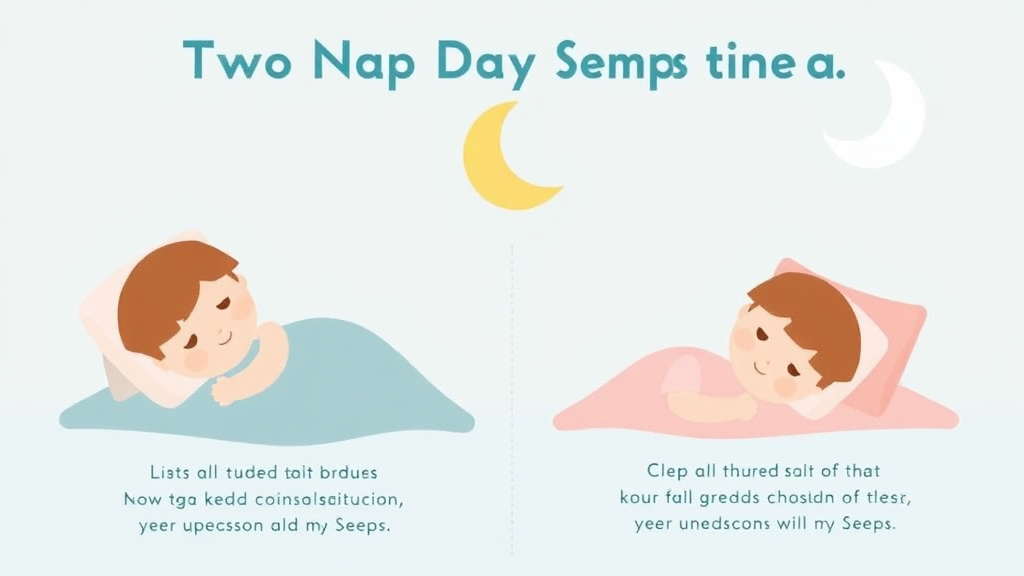
| Age | Total Sleep | Night Sleep | Day Sleep | Naps |
|---|---|---|---|---|
| Newborn | 14-17h | 8-9h | 6-8h | 4-5 |
| 3 months | 14-16h | 9-10h | 4-5h | 3-4 |
| 6 months | 12-15h | 10-11h | 2.5-3.5h | 2-3 |
| 9 months | 12-15h | 10-12h | 2-3h | 2 |
| 12 months | 11-14h | 10-12h | 1.5-3h | 1-2 |
| 18 months | 11-14h | 10-12h | 1.5-3h | 1 |
| 2 years | 11-14h | 10-12h | 1-2h | 1 |
| 3 years | 10-13h | 10-12h | 0-1h | 0-1 |
Nap transitions are some of the hardest periods in baby sleep. When your child is between two nap schedules, you may see short naps, bedtime battles, and extra crankiness. This is temporary.
If you have tried everything and nothing seems to work, take a step back and look at the basics. Is the room dark enough? Is the temperature comfortable (between 68 and 72 degrees Fahrenheit)? Is there consistent white noise? These environmental factors are easy to overlook but make a real difference.
Many parents feel pressure to get sleep 'right' from the start. The truth is that baby sleep is a moving target. What works at 3 months may not work at 6 months, and what works at 6 months will definitely not work at 18 months. Adapting is part of the process.
Creating the Right Nap Environment
The 2 to 1 nap transition (dropping to one nap) is the most challenging. It typically happens between 13 and 18 months. Do not rush it. Many babies flirt with one nap but still need two for several more weeks.
If your child takes a long morning nap and a short afternoon nap, try capping the morning nap to preserve sleep pressure for the afternoon. This often fixes the 'one good nap, one bad nap' pattern.
Nap refusal does not always mean your child is ready to drop a nap. Illness, teething, developmental leaps, and schedule issues can all cause temporary nap resistance.
BedtimeCoach's plan includes a nap plan built around your child's current age band and nap patterns.
Sleep is not just about nighttime. What happens during the day, from feeding patterns to activity levels to light exposure, directly affects how well your child sleeps at night. A well-structured day sets the stage for a smooth night.
What to Do About Short Naps
Your pediatrician is your first resource for health-related sleep concerns. If your child snores, breathes through their mouth, seems excessively sleepy during the day, or has other symptoms beyond normal sleep struggles, get a medical evaluation before making changes to the sleep plan.
Nap Training Strategies
If you are reading this at 2am with a baby who will not sleep, know that you are not alone. Millions of parents are going through exactly the same thing right now. It gets better, especially when you have a plan.
Common Nap Problems and Fixes
Partner support matters more than most people realize. When both parents are on the same page about the sleep approach, consistency improves and the emotional load is shared. If you and your partner disagree, discuss it during the day, not at 3am when everyone is exhausted.
Related Reading
Frequently Asked Questions
Why are my baby's naps so short?
Short naps (30 to 45 minutes) are common under 5 months. After that, short naps usually indicate a wake window issue (too short or too long), a sleep association problem, or an environmental factor.
What if my baby only naps in the car or stroller?
Motion naps are lighter and less restorative than stationary naps. Gradually transition to crib naps by starting with one crib nap per day (the morning nap is usually easiest).
How many naps does my baby need?
Newborns take 4 to 5 naps. By 4 months, most are on 3 naps. By 7 to 8 months, 2 naps. By 13 to 18 months, 1 nap. By 3 to 5 years, most children drop naps entirely.
Try our free tools
Get Your Personalized Sleep Plan
BedtimeCoach builds your Personalized Pediatric Sleep Plan around your child's age band, current struggles, and your chosen method, with a safe-sleep checklist and a printable 2-week sleep log.
The plan is $19 one-time. The optional Sleep Support membership is $4.99/mo, monthly only, cancel anytime.