TL;DR
- Toddlers benefit from visual routine charts they can follow.
- A consistent bedtime routine is the single most effective sleep intervention.
- Both parents should be able to do the routine independently.
- Include calming activities: bath, books, songs, massage.
Why Bedtime Routines Matter
Research consistently shows that a consistent bedtime routine improves sleep onset, reduces night wakings, and even improves mood and behavior during the day. It is one of the few interventions backed by strong evidence across all age groups.
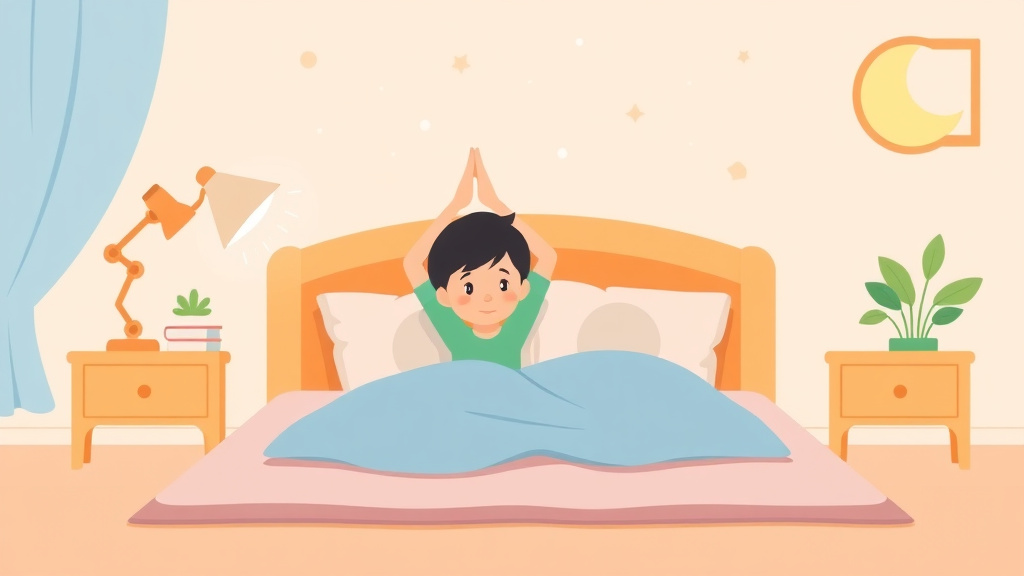
The ideal routine length is 15 to 30 minutes. Shorter than 15 minutes may not provide enough wind-down time. Longer than 30 minutes often leads to stalling (especially with toddlers) or the routine replacing actual sleep time.
Where you end the routine matters. The last step should happen in the room where your child sleeps, with the lights off or very dim. This teaches the brain that this room means sleep.
Bath time is not required every night, but if you include it, the body temperature drop after a warm bath naturally promotes sleepiness. Use lukewarm water, not hot.
Many parents feel pressure to get sleep 'right' from the start. The truth is that baby sleep is a moving target. What works at 3 months may not work at 6 months, and what works at 6 months will definitely not work at 18 months. Adapting is part of the process.
Your pediatrician is your first resource for health-related sleep concerns. If your child snores, breathes through their mouth, seems excessively sleepy during the day, or has other symptoms beyond normal sleep struggles, get a medical evaluation before making changes to the sleep plan.
Step-by-Step Routine Template
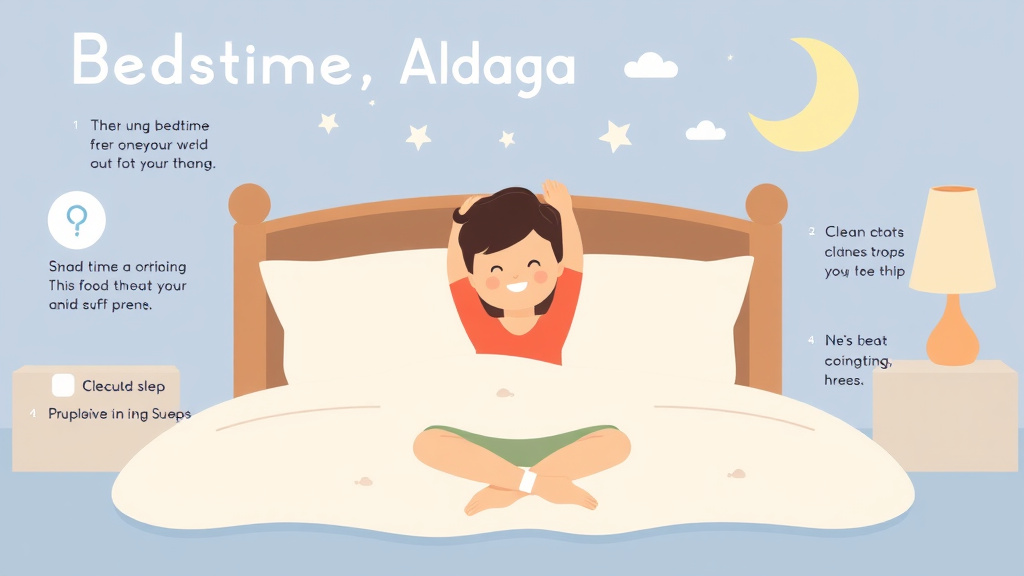
| Step | Activity | Duration | Purpose |
|---|---|---|---|
| 1 | Bath (optional) | 5-10 min | Signals transition, body temp drop promotes sleep |
| 2 | Pajamas and diaper | 2-3 min | Consistent cue |
| 3 | Feed (if applicable) | 10-15 min | Top off calories, not to sleep |
| 4 | Books or songs | 5-10 min | Calm connection time |
| 5 | Goodnight phrase and into crib | 1 min | Consistent ending |
Books are one of the best bedtime activities. For babies, it is about the rhythm of your voice. For toddlers, it gives them something to look forward to and a defined end point ('two books, then lights out').
A feed early in the routine (rather than last) prevents a feed-to-sleep association. If your child falls asleep nursing or taking a bottle, the feed effectively becomes a sleep crutch.
Toddlers thrive on control. Letting them choose between two books, two pairs of pajamas, or two songs gives them ownership of the routine without derailing it.
There is no perfect age to address sleep. Whether your child is 4 months or 4 years, the principles of good sleep hygiene apply. Start where you are, with what you have, and make changes gradually.
Best Activities for Wind-Down Time
A visual routine chart (with pictures of each step) helps toddlers and preschoolers follow the routine independently. It also reduces 'one more thing' requests because the chart shows what comes next.
Both parents (and regular caregivers) need to follow the same routine in the same order. If dad does a different routine than mom, the inconsistency undermines the sleep cue.
It helps to remember that sleep is a skill, not a trait. Just like learning to walk or talk, learning to sleep independently takes time and practice. Some children pick it up quickly. Others need more support. Neither timeline is wrong.
Common Bedtime Routine Mistakes
When traveling or during disruptions, keep as much of your routine as possible. Even doing a modified version (one book, one song, same goodnight phrase) maintains the sleep cue in a new environment.
The goal is not to eliminate all night wakings or create a robot baby who sleeps on command. The goal is to give your child the skills and environment they need to sleep well, most of the time, so the whole family can function.
One thing that surprises many parents is how much consistency matters. It is not about being rigid or inflexible. It is about giving your child the same cues, at roughly the same times, so their body and brain can predict what comes next. When sleep becomes predictable, it becomes easier.
Adapting the Routine as Your Child Grows
Social media can be both helpful and harmful when it comes to baby sleep. Comparison is inevitable, but every child is different. A method that worked for one family may not suit yours. Focus on your child's specific needs rather than chasing what worked for a stranger online.
Related Reading
Frequently Asked Questions
Does the routine need to include a bath?
No. Baths are helpful because the body temperature drop after a warm bath promotes sleepiness, but they are not required. A routine without a bath works fine if it is consistent.
How long should a bedtime routine be?
15 to 30 minutes is ideal. Under 15 may not provide enough wind-down. Over 30 tends to lead to stalling, especially with toddlers.
What if my toddler keeps stalling at bedtime?
Use a visual routine chart, offer limited choices (two books, not unlimited), set a timer for the routine, and be firm about the endpoint. Bedtime passes can also help.
Try our free tools
Get Your Personalized Sleep Plan
BedtimeCoach builds your Personalized Pediatric Sleep Plan around your child's age band, current struggles, and your chosen method, with a safe-sleep checklist and a printable 2-week sleep log.
The plan is $19 one-time. The optional Sleep Support membership is $4.99/mo, monthly only, cancel anytime.